
Most people think clutter is just a visual problem. The house looks messy, so they assume the solution is putting more things away. In reality, clutter changes how a home functions. It traps dust, blocks airflow, slows down cleaning routines, and makes rooms feel mentally exhausting even when they are technically clean.
One thing homeowners often notice after decluttering is that the home suddenly feels easier to maintain. That is not just psychological. Clutter creates extra surfaces where dust settles and forces people to clean around objects instead of fully cleaning spaces. The biggest mistake people make is trying to organize before they reduce what they own. Storage systems help, but no organizing method works well when cabinets, drawers, and shelves are already overloaded.
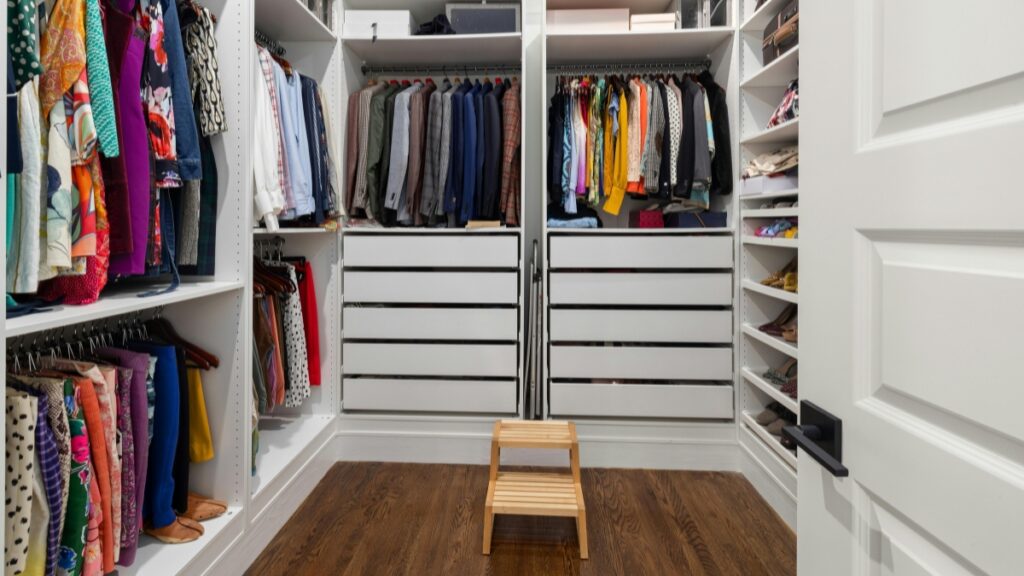
Clutter Usually Builds Slowly Instead of All At Once
Most homes do not become cluttered because of one major event. The buildup usually happens through small habits repeated over time. Mail gets stacked on counters. Seasonal items never get fully put away. Closets become storage zones for things people feel unsure about getting rid of.
Most people do not realize clutter tends to collect in transition spaces first. Entryways, kitchen counters, laundry rooms, and spare bedrooms usually become holding areas because people move through them quickly without fully finishing tasks. That is why decluttering works better when homeowners focus on reducing friction instead of creating perfection. If the storage solution is too complicated, the system eventually fails.
Why Clutter Makes Homes Feel Dirtier Faster
Clutter changes how dust moves through a room. Piles of objects interrupt airflow, which causes dust and pet hair to settle unevenly. Decorative items, baskets, and stacked papers also create extra surfaces where particles collect. Most homeowners vacuum around clutter instead of under it. Over time, debris builds in corners, under furniture, and behind storage containers. Those hidden areas often affect indoor air quality more than visible messes do.
One thing experienced cleaners notice quickly is that cluttered homes often require far more time to clean thoroughly because surfaces cannot be accessed properly. Homeowners who simplify storage systems usually find regular maintenance becomes dramatically easier afterward. When homes feel impossible to keep under control, it often helps to focus on creating simpler daily systems instead of large weekend cleanouts. For many households, professional home organization support helps establish routines that are easier to maintain long-term.
Sentimental Clutter Is Usually the Hardest to Handle
Not all clutter is practical clutter. Emotional attachment plays a huge role in why certain areas stay overwhelmed. Most people keep too many items because they attach memories to the object itself instead of the experience connected to it. Old children’s artwork, inherited kitchenware, or boxes of outdated keepsakes can quietly consume large amounts of storage space.
One helpful strategy is limiting sentimental items to a defined container instead of an entire room or closet. Boundaries force prioritization without requiring homeowners to throw everything away. Photographing meaningful items before donating them also helps more than many people expect. The memory usually matters more than the physical object.
Organization Systems Only Work When They Match Real Habits
One reason organizing systems fail is because homeowners create systems based on how they wish they behaved instead of how they actually live. For example, open baskets near the entryway often work better for busy families than detailed closet systems requiring multiple steps. Children are far more likely to drop shoes into a visible bin than place them neatly onto designated shelves.
Most people do not realize visible storage is not always bad. Hidden storage can actually encourage clutter because items disappear and become forgotten. The goal is controlled visibility, not total concealment. Homes stay more organized when frequently used items are easiest to access. Seasonal or rarely used items should occupy harder-to-reach spaces instead.
Small Resets Prevent Bigger Decluttering Projects Later
The cleanest homes are usually not the homes with the least amount of stuff. They are the homes where small resets happen consistently. Ten-minute nightly resets often prevent hours of weekend decluttering later.
Clearing countertops, emptying bags near the entryway, and returning loose items to their zones keeps clutter from spreading room to room. Another overlooked habit is reviewing storage areas seasonally. Closets and cabinets quietly collect unnecessary items because people rarely reevaluate what still serves a purpose. Decluttering works best when it becomes maintenance instead of a once-a-year event.
FAQ
Why does clutter make a home harder to clean?
Clutter creates extra surfaces where dust settles and forces people to clean around objects instead of fully cleaning spaces. Hidden debris also builds underneath piles and storage containers over time.
How often should homeowners declutter?
Small decluttering sessions throughout the year usually work better than major annual cleanouts. Seasonal reviews every few months help prevent storage areas from becoming overwhelming.
What room should homeowners declutter first?
Entryways and kitchen counters are usually the best starting points because they affect daily routines the most. Improving high-traffic areas creates visible progress quickly.
Why do organizing systems fail so often?
Many systems fail because they are too complicated for real daily habits. Simple storage solutions that reduce effort usually last much longer.
Is clutter connected to stress?
Yes. Visual clutter increases mental fatigue because the brain continuously processes unfinished tasks and excess stimulation in the environment.
What is the biggest mistake people make when decluttering?
One major mistake is buying more storage before reducing possessions. Better organization usually starts with owning fewer unnecessary items instead of finding more places to store them.A well-organized home is not about perfection. It is about making daily life easier and reducing the constant feeling of catching up. Organize It shares practical strategies for simplifying homes and routines.
