
Interior design is often associated with beautiful furniture, decorative accents, and visually appealing spaces. While aesthetics certainly play an important role, effective interior design goes far beyond appearance.
A well-designed home improves functionality, supports daily routines, and creates an environment that feels comfortable and welcoming. The way furniture is arranged, how storage is incorporated, and how rooms are planned all influence how people experience their living spaces.
Most people don’t realize that thoughtful design can make a home easier to maintain, more organized, and more enjoyable to live in every day.
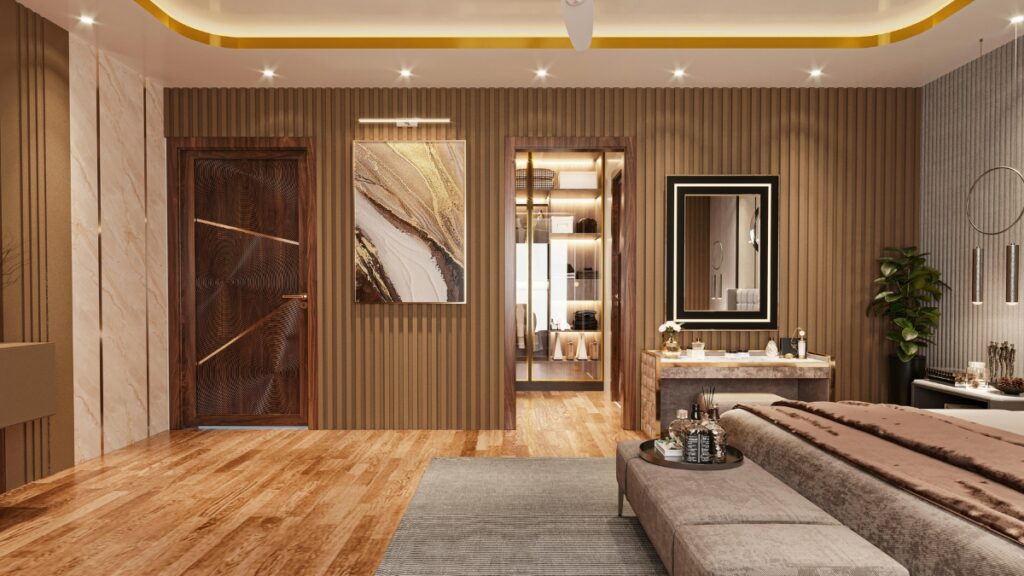
Interior Design Is More Than Decoration
Many homeowners think interior design focuses solely on style.
In reality, good design balances beauty and practicality. Every room should support the needs of the people using it while creating a cohesive and inviting atmosphere.
Furniture placement, lighting, color choices, and storage solutions all contribute to how a space functions. When these elements work together effectively, daily activities become easier and more efficient.
Most people don’t realize that small design adjustments can significantly improve the flow and usability of a room.
Creating Spaces That Support Daily Life
Every home serves multiple purposes.
Living rooms may function as entertainment areas, workspaces, or gathering places for family and friends. Kitchens often become central hubs for meals, homework, and conversation. Bedrooms provide opportunities for relaxation and rest.
Interior design helps ensure that each space supports its intended purpose.
Carefully planned layouts allow homeowners to move comfortably throughout the home while maximizing available space. This is especially important in smaller homes where every square foot matters.
A professional interior design service can help homeowners create spaces that are both functional and visually appealing.
Why Organization Plays a Major Role
One of the most overlooked aspects of interior design is organization.
A beautifully decorated room can still feel chaotic if storage needs are not addressed. Effective design incorporates practical solutions that help reduce clutter while maintaining a clean appearance.
Built-in storage, multifunctional furniture, shelving systems, and customized organization strategies all contribute to a more organized home.
Most people don’t realize that reducing visible clutter often has a greater impact on a room’s appearance than adding new decorative elements.
Well-organized spaces typically feel larger, cleaner, and more comfortable.
The Impact of Color and Lighting
Color and lighting influence how people feel within a space.
Natural light can make rooms feel more open and inviting, while thoughtful lighting placement improves functionality and atmosphere. Layered lighting allows homeowners to adapt spaces for different activities throughout the day.
Color choices also affect perception. Lighter colors often create a sense of openness, while deeper tones can add warmth and character.
Most people don’t realize that lighting and color work together to shape the overall mood of a room.
Careful planning helps ensure these elements support the desired look and feel of the space.
Interior Design Can Increase Home Value
Thoughtful interior design offers benefits beyond daily comfort.
Well-designed homes often appeal to potential buyers because they showcase functionality, organization, and efficient use of space. Attractive layouts and modern design features can help properties stand out in competitive housing markets.
While homeowners typically pursue design projects to improve their own living experience, the improvements can also contribute to long-term property value.
Most people don’t realize that practical upgrades often have just as much impact as decorative improvements.
Designing for Long-Term Success
The best interior design plans consider both current and future needs.
Families grow, lifestyles change, and homes often evolve over time. Flexible design solutions allow spaces to adapt without requiring complete redesigns.
Selecting durable materials, incorporating versatile furniture, and prioritizing functionality helps create a home that remains useful for years to come.
Working with professional organization and design experts can help homeowners develop personalized solutions that align with their goals and lifestyle.
Frequently Asked Questions
What is the main purpose of interior design?
Interior design improves both the appearance and functionality of a space while supporting the needs of those who use it.
Can interior design help reduce clutter?
Yes. Effective design often includes storage solutions and organizational strategies that help minimize clutter and improve efficiency.
Why is furniture placement important?
Furniture arrangement affects traffic flow, comfort, and how easily people can use a room for its intended purpose.
Does interior design increase home value?
Thoughtful design improvements can enhance a property’s appeal and may contribute to its market value.
How does lighting affect interior design?
Lighting influences functionality, mood, and the overall appearance of a room. Proper lighting helps create comfortable and usable spaces.
Is interior design only for large homes?
No. Interior design can benefit homes of all sizes by maximizing space, improving organization, and enhancing daily functionality.
Interior design is about much more than creating beautiful rooms. It helps homeowners improve organization, maximize functionality, and create spaces that support everyday life. Through thoughtful planning and practical solutions, a well-designed home can become more comfortable, efficient, and enjoyable for years to come. Organize It provides professional guidance to help homeowners transform their spaces with purpose and style.
