
Opening dozens of moving boxes at once can make a new home feel more chaotic instead of more organized.
The key to a smoother transition is not necessarily unpacking everything immediately. It is deciding which belongings will help the household function first.
When the first few rooms are set up properly, the rest of the unpacking process becomes easier to manage.
For Get Organized!, packing and unpacking is about more than moving belongings from boxes into rooms. The goal is to help create functional spaces that make sense for the people using them.
A good unpacking sequence can help you settle into your new home without feeling like every box has to be opened on the same day.
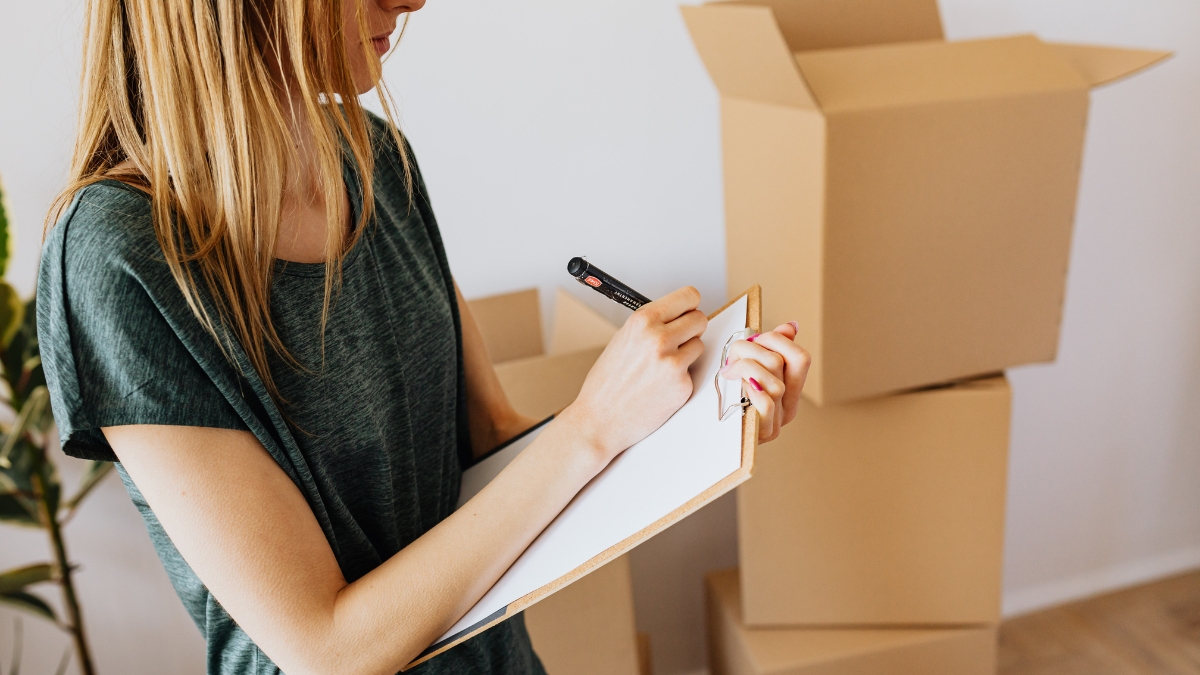
1. Start With the Items You Need Immediately
Before unpacking furniture or decorative items, identify the belongings you will need within the first 24 hours.
These might include:
- Toiletries
- Towels
- Toilet paper
- Chargers
- Medication
- Comfortable clothing
- Important documents
- Basic kitchen supplies
- Pet supplies
- Children’s essentials
- Work equipment
Keep these items easy to identify while packing.
A clearly labeled “open first” container can save significant time because it prevents you from searching through multiple boxes for one necessary item.
This is especially useful when movers place boxes into several different rooms.
2. Make the Bedroom Functional
After a long moving day, having a usable place to sleep can make a major difference.
The bedroom does not need to be completely decorated.
Focus on functionality first:
- Assemble the bed
- Set out sheets and blankets
- Prepare basic clothing
- Place chargers nearby
- Set up essential lighting
- Make room for the items needed the next morning
Once the bed is ready, you have a functional space even if several unopened boxes remain.
This is a better first step than spending hours organizing decorations while basic necessities remain packed.
3. Set Up One Bathroom Completely
A bathroom is another area worth prioritizing.
Rather than opening several bathroom boxes and leaving everything scattered, aim to make one bathroom usable first.
Start with:
- Towels
- Soap
- Toiletries
- Toilet paper
- Shower essentials
- Basic cleaning supplies
- Personal care items
If the household has multiple bathrooms, there is no need to fully organize every one immediately.
Getting one bathroom functional can reduce stress during the first few days.
4. Create a Basic Kitchen Setup
The kitchen can take a long time to unpack because it often contains a large number of small items.
Instead of trying to organize every cabinet immediately, create a basic working setup.
Start with items needed for simple meals:
- Plates
- Cups
- Utensils
- One or two cooking tools
- Coffee or tea supplies
- Basic food storage
- Everyday appliances
Once the household can prepare or serve a simple meal, the kitchen is functional.
You can organize specialty cookware, entertaining supplies, seasonal items, and less frequently used equipment later.
5. Use Labels to Control the Process
Labels can make the difference between an organized move and a prolonged search.
Room labels are helpful, but more detailed labels can be even better.
Instead of:
Kitchen Box 4
consider:
Kitchen — Everyday Plates and Bowls
Instead of:
Bedroom
consider:
Primary Bedroom — Bed Linens
Detailed labels tell you what belongs where before the box is opened.
This is particularly useful when several people are unpacking at the same time.
Give Yourself Permission to Delay Some Boxes
Not every box needs to be unpacked immediately.
Seasonal decorations, specialty kitchen equipment, extra linens, books, memorabilia, and other occasional-use items can wait.
Creating a temporary “later” area can keep unopened boxes from spreading throughout the house.
The important distinction is between unopened because it is organized for later and unopened because nobody knows where it belongs.
The first is intentional.
The second usually creates more clutter.
Get Organized! packing and unpacking service is designed to help with the transition into organized, functional spaces rather than simply leaving belongings in their boxes.
A Simple Unpacking Sequence
A practical order can look like this:
First:
Essential items and important documents.
Second:
Bedroom and sleeping arrangements.
Third:
One functional bathroom.
Fourth:
Basic kitchen and food preparation.
Fifth:
Work, school, and daily-use spaces.
Sixth:
Living areas and secondary rooms.
Last:
Storage, seasonal belongings, decorations, and occasional-use items.
This sequence helps the household become functional before focusing on appearance.
Frequently Asked Questions
Should I unpack every box before organizing?
No. Unpacking everything at once can create unnecessary clutter. It is usually more manageable to make essential rooms functional first and then work through less urgent belongings.
What should I keep with me instead of putting in the moving truck?
Important documents, medication, valuables, chargers, identification, and other items needed immediately are generally better kept accessible rather than buried in moving boxes.
How can I make unpacking easier before moving day?
Label boxes clearly, identify essential items, group belongings by room or function, and decide which rooms should be set up first.
Which room should usually be finished first?
The bedroom is often a useful starting point because having a ready place to sleep makes the first night and following morning easier.
What should I do with boxes I do not need immediately?
Keep them together in an intentional area and label them clearly. This keeps less urgent belongings from spreading through already functional rooms.
Organize the Transition, Not Just the Boxes
Moving into a new home does not require everything to be finished immediately.
A better approach is to establish function first. Make the bedroom usable. Set up one bathroom. Create a basic kitchen. Prepare work or school essentials. Then gradually handle the belongings that are less urgent.
The objective is to make the transition into a new space more manageable and functional rather than simply moving boxes from one address to another.
The right unpacking sequence can turn a house full of boxes into a home that works one practical space at a time with Get Organized!.
